


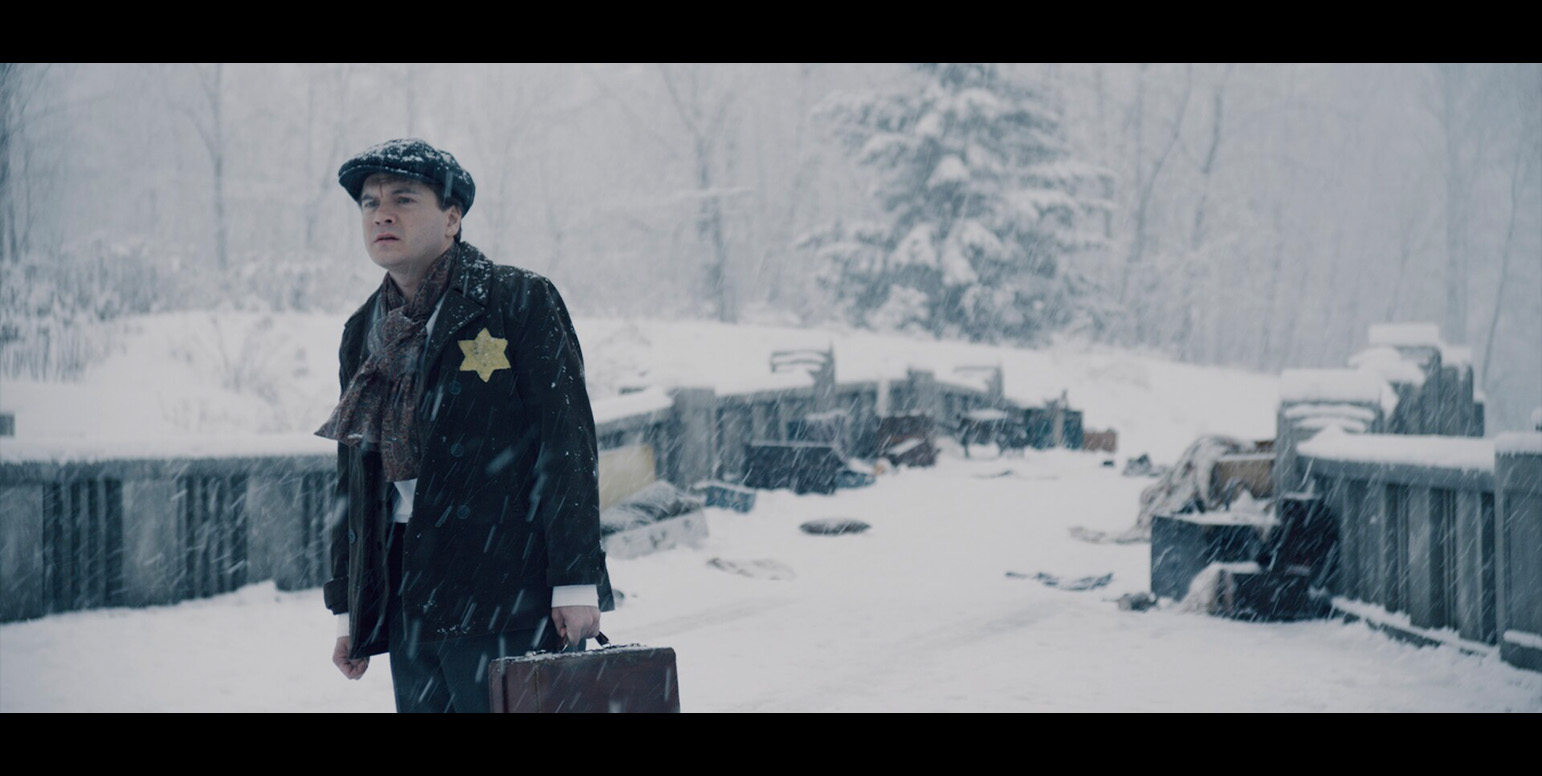
The phrase “bau artist at war” evokes an image of a creator caught between the worlds of imagination and conflict. Whether referencing a specific cultural group, a historical period, or a symbolic identity, the concept captures how artists endure, interpret, and resist the hardships of wartime. In today’s world, where cultural expression is often molded by political conditions, the idea of the bau artist at war continues to resonate strongly.
Artists have always found themselves in complex relationships with conflict. Some create to survive. Others create to protest. And many use artistic expression to preserve heritage under threat. As we explore the origins, meaning, and modern interpretations of the bau artist at war, we gain insight into creativity’s incredible ability to survive even the darkest circumstances.
Origins of the Bau Artist at War: History Behind the Term
To understand the significance of the bau artist at war, we must consider the historical and cultural backdrop from which the concept arose. Although the phrase is not tied to a single documented movement, it has become associated with the broader narrative of artists from the Bau (or Bau-influenced) cultural spheres who created art under the pressures of conflict.
This term is often used to describe:
- Creators who lived and produced art during wartime.
- Artists from Bau-defined ethnic or cultural groups navigating oppression.
- Modern storytellers crafting narratives about war, memory, and identity.
The name “bau” itself—depending on context—may refer to cultural heritage, stylistic schools, or symbolic artistic identities used in literature and visual arts. Regardless of interpretation, the bau artist at war symbolizes endurance and cultural preservation in times of turmoil.
How War Shapes an Artist’s Identity
War leaves a permanent imprint on the human psyche, and artists feel this deeply. For a bau artist at war, identity becomes a fusion of:
- Personal trauma
- Cultural memory
- Political circumstances
- Survival instinct
- Commitment to artistic truth
Throughout history, many artists have created masterpieces while war raged around them. Their works often carried hidden meanings, symbolic protest, or emotional reflections of their lived experience.
Artists in conflict settings often face:
- Censorship
- Displacement
- Loss of mentors or communities
- Material scarcity
- Peril for expressing dissent
And yet, art persists. The bau artist at war emerges as a testament to the artist’s unbreakable connection to creation, even when everything else is collapsing.
The Bau Perspective: Cultural Symbolism and Conflict
A core trait of the bau artist at war is the deep connection to cultural symbols. Bau-oriented artistic identity often reflects:
- Traditional motifs
- Ancestral patterns
- Stories passed through generations
- Ceremonial or spiritual imagery
During conflict, these symbols take on heightened importance. They help preserve identity when political forces attempt to erase or rewrite cultural narratives.
Some common themes expressed by bau artists in wartime include:
- Loss of homeland
- Resistance against domination
- Reclaiming cultural narratives
- Reasserting spiritual identity
Through their work, bau artists transform cultural symbols into powerful statements of resilience.
Art as Resistance: What the Bau Artist at War Represents
Art is one of the oldest forms of resistance. When war suppresses voices, art becomes a weapon that cannot be easily silenced.
The bau artist at war is often portrayed—or self-identifies—as:
- A defender of cultural memory
- A witness to historical truth
- A critic of violence and oppression
- A storyteller for future generations
While soldiers fight with weapons, artists fight with color, texture, language, and emotion. Their work exposes realities others attempt to hide, offering future generations a more complete understanding of conflict.
Modern Interpretations of the Bau Artist at War
In contemporary settings, the term bau artist at war has expanded beyond literal wartime creators.
Modern interpretations include:
1. Digital Artists Addressing Global Conflict
Artists use digital mediums to depict the psychological and social impact of modern wars.
2. Diaspora Creators Preserving Cultural Identity
Many artists living far from ancestral homelands use their craft to explore themes of displacement, belonging, and memory.
3. Illustrators and Writers Reimagining War Narratives
Graphic novels, fiction, and visual storytelling reinterpret historical tragedies from new perspectives.
4. Political Artists Challenging Power Structures
Modern bau-inspired creators use art to critique corruption, human rights violations, and media manipulation.
Even without a battlefield, the metaphorical “war” persists—whether cultural, political, or psychological.
How the Bau Artist at War Inspires Contemporary Creators
Today’s creators often reference the bau artist at war as a symbol of unwavering artistic spirit. This influence appears across disciplines:
- Literature exploring identity during upheaval
- Film and animation portraying resistance movements
- Textile arts reviving traditional motifs threatened by conflict
- Music blending ancestral sounds with modern resistance lyrics
The enduring appeal lies in the universality of the story: humans creating beauty amid devastation.
Key Themes Found in Bau Artist at War Works
Certain motifs consistently appear in the works of bau artists influenced by wartime contexts.
1. Memory and Nostalgia
Art becomes a way to remember what war tries to erase.
2. Pain and Healing
Trauma is expressed through symbolism, color contrast, or fragmented imagery.
3. Identity and Belonging
Questions of heritage, home, and displacement play central roles.
4. Hope and Rebirth
Despite darkness, bau art often includes elements symbolizing renewal and survival.
5. Cultural Continuity
Patterns, languages, and spiritual symbols act as roots anchoring the artist during chaos.
These themes make the bau artist at war both emotionally powerful and culturally significant.
Collecting and Preserving Bau Artist at War Art
Collectors, historians, and galleries increasingly recognize the value of wartime cultural art.
Why It Matters
- It serves as historical evidence.
- It preserves threatened cultural identities.
- It amplifies marginalized voices.
- It fosters global empathy and understanding.
Best Practices for Collectors
- Support ethical acquisition—avoid art removed from conflict zones illegally.
- Work with organizations promoting cultural preservation.
- Document provenance to safeguard authenticity.
- Promote exhibitions that highlight cultural and historical context.
Supporting and preserving this art ensures that the stories of bau artists—and their experiences during war—remain alive.
Conclusion: Why the Bau Artist at War Still Matters
The bau artist at war reminds us that creativity is not a luxury of peaceful times—it is a necessity for human survival. Through storytelling, symbolism, and emotional expression, bau artists transform suffering into something meaningful and enduring.
Their work stands as:
- A record of personal and cultural history
- A form of protest against violence
- A beacon of hope for future generations
As long as conflict exists in the world, the message of the bau artist at war will continue to resonate. Exploring, preserving, and honoring their art is essential for understanding both our past and present.
Frequently Asked Questions
1. What does “bau artist at war” mean?
It refers to an artist—traditionally or symbolically associated with Bau-related cultural identity—who creates art during times of conflict or explores wartime themes in their work.
2. Why is the bau artist at war important in cultural history?
Because they use art to document authentic experiences, resist oppression, and preserve cultural identity under threat.
3. What themes appear in bau artist at war works?
Common themes include memory, trauma, identity, hope, cultural symbolism, and resistance.
4. How does modern art interpret the bau artist at war?
Contemporary creators use the concept metaphorically to explore political struggles, displacement, digital warfare, and cultural preservation.
5. Can I collect bau artist at war art ethically?
Yes—by ensuring proper provenance, supporting ethical galleries, and avoiding items removed illegally from conflict regions.

