


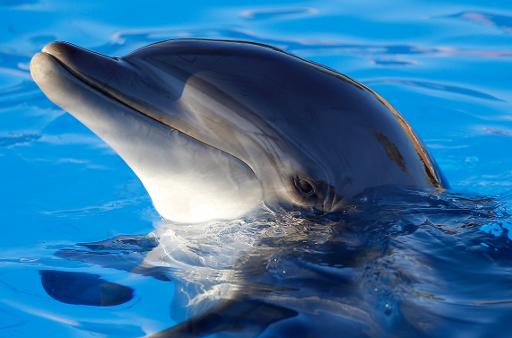
Dolphin radar is one of the most fascinating biological abilities found in the natural world. When people hear the phrase dolphin radar, they are usually referring to the sophisticated echolocation system dolphins use to navigate, hunt, and understand their surroundings with astonishing accuracy. This natural sonar allows dolphins to “see” underwater using sound, even in complete darkness or murky conditions. Understanding dolphin radar not only deepens our appreciation of marine life but also inspires modern technology, from underwater navigation systems to medical imaging.
In this in-depth guide, we will explore how dolphin radar works, why it is so effective, and what humans have learned from it. By the end of this article, you will have a clear understanding of why dolphin radar is often described as one of the most advanced sensory systems on Earth.
Understanding the Concept of Dolphin Radar
Dolphin radar is not radar in the mechanical sense used by ships or aircraft. Instead, it is a biological sonar system known as echolocation. Dolphins produce rapid clicking sounds that travel through water, bounce off objects, and return as echoes. By interpreting these echoes, dolphins build a detailed mental map of their environment.
What makes It extraordinary is the level of detail it provides. Dolphins can determine the size, shape, distance, speed, and even the internal structure of objects. A fish, a rock, or a net all produce different echo signatures. Dolphin radar enables them to respond instantly and accurately, which is essential for survival in the open ocean.
This ability is especially valuable because vision underwater is often limited. Light fades quickly with depth, and particles in the water reduce clarity. Dolphin radar compensates for these limitations by relying on sound, which travels faster and farther in water than in air.
The Science Behind Dolphin Radar and Echolocation
To understand It, it helps to look at the anatomy involved. Dolphins generate clicking sounds using nasal passages located near their blowhole. These clicks are focused into a directional beam by a fatty structure in the forehead called the melon. The melon acts like an acoustic lens, shaping and directing sound waves forward.
When the sound waves hit an object, they reflect back toward the dolphin. The returning echoes are received primarily through the lower jaw, which contains specialized fatty tissues that conduct sound to the inner ear. The dolphin’s brain then processes this information at remarkable speed.
Studies have shown that It can distinguish between objects that differ by just a few millimeters. This precision allows dolphins to locate prey hidden under sand or to navigate complex underwater landscapes without collision. In essence, dolphin radar turns sound into a three-dimensional sensory experience.
Why Dolphin Radar Is More Powerful Than Human-Made Sonar
Human-made sonar systems are impressive, but It still outperforms them in many ways. One key difference is efficiency. Dolphins use very little energy to produce their clicks, yet the information they gain is incredibly rich. Their brains are optimized to interpret echoes instantly, without the need for computers or screens.
Another advantage of It is adaptability. Dolphins can change the frequency, intensity, and pattern of their clicks depending on the situation. When searching for prey, they use rapid, focused clicks. When navigating open water, they may use slower, broader scans. This flexibility allows dolphin radar to function effectively in a wide range of environments.
In contrast, many artificial sonar systems are designed for specific tasks and require manual adjustment. It is intuitive and responsive, guided by millions of years of evolution.
Dolphin Radar and Hunting Behavior
One of the most impressive uses of It is in hunting. Dolphins often hunt fast-moving fish that can easily escape visual detection. Using dolphin radar, they can track prey in real time, even when the fish is hidden or moving erratically.
As a dolphin approaches its target, the clicking rate increases, creating what researchers call a “buzz.” This rapid sequence of clicks provides constant updates on the prey’s position. It allows for precise timing, enabling dolphins to capture fish with incredible accuracy.
Some species of dolphins even use It cooperatively. In group hunts, dolphins coordinate their movements using sound, herding fish into tight groups. This teamwork highlights how dolphin radar is not just a sensory tool but also a means of communication and coordination.
Navigation and Spatial Awareness Through Dolphin Radar
Dolphin radar plays a crucial role in navigation. Dolphins migrate long distances across open oceans, often returning to the same locations year after year. While they may use environmental cues such as currents and the Earth’s magnetic field, dolphin radar provides immediate, local awareness.
In shallow waters or near coral reefs, It helps prevent collisions and injuries. Dolphins can detect obstacles from a distance and adjust their course smoothly. This ability is especially important in areas with strong currents or low visibility.
For dolphins living near human activity, It can also detect boats, fishing gear, and other potential dangers. This awareness increases their chances of survival in increasingly crowded oceans.
Dolphin Radar and Communication
Although It is primarily associated with echolocation, it also overlaps with communication. Dolphins produce a wide range of sounds, including whistles and clicks, each serving different purposes. While whistles are often used for social interaction, clicks associated with dolphin radar can convey information to nearby dolphins.
Research suggests that dolphins may share echolocation information during cooperative tasks. This means It could function as a shared sensory experience, allowing groups to respond collectively to changes in their environment.
This blend of perception and communication is one reason It continues to intrigue scientists. It challenges traditional boundaries between senses and highlights the complexity of dolphin intelligence.
Human Technology Inspired by Dolphin Radar
It has inspired numerous technological innovations. Engineers study dolphin echolocation to improve underwater navigation systems, especially for autonomous submarines and drones. By mimicking the way dolphins process sound, these machines can operate more efficiently and safely.
Medical imaging is another area influenced by It. Techniques such as ultrasound rely on similar principles of sound reflection. Researchers have explored how dolphin radar achieves such high resolution with minimal energy, hoping to apply these lessons to improve diagnostic tools.
Even assistive technology has benefited from It research. Devices designed to help visually impaired individuals navigate their surroundings often use sonar-like systems inspired by echolocation.
For more insights into marine-inspired technology, you can explore related articles on our website, such as our in-depth guide on ocean acoustics and our feature on bio-inspired engineering. External research from reputable marine science organizations like NOAA and National Geographic also provides valuable context and credibility.
The Role of Dolphin Radar in Conservation
Understanding dolphin radar is essential for conservation efforts. Human-made noise pollution from ships, sonar testing, and industrial activity can interfere with dolphin echolocation. When It is disrupted, dolphins may struggle to find food or navigate safely.
By studying It, scientists can better assess the impact of noise pollution and develop guidelines to reduce harm. This knowledge supports policies that protect marine habitats and promote sustainable ocean use.
Educating the public about It also fosters appreciation and respect for marine life. When people understand how sophisticated and sensitive these animals are, they are more likely to support conservation initiatives.
Future Research on Dolphin Radar
Despite decades of study, It still holds many mysteries. Scientists continue to explore how dolphins interpret echoes so quickly and accurately. Advances in neuroscience and acoustic modeling may soon reveal more about the cognitive processes behind dolphin radar.
Future research could also uncover new applications for dolphin-inspired technology. As we face challenges such as climate change and ocean degradation, lessons from It may help us develop smarter, more sustainable solutions.
The ongoing study of It is a reminder that nature often holds answers to complex problems, waiting to be understood.
Conclusion: Why Dolphin Radar Matters
It is a remarkable example of nature’s ingenuity. Through echolocation, dolphins navigate, hunt, communicate, and thrive in environments that would otherwise be hostile. This natural sonar system surpasses many human-made technologies in efficiency, adaptability, and precision.
By studying dolphin radar, we gain insights not only into dolphin behavior but also into new ways of solving human challenges. From conservation to technology, the impact of It extends far beyond the ocean.
As research continues, It will remain a source of inspiration and wonder, reminding us of the deep intelligence and resilience of marine life.
Frequently Asked Questions About Dolphin Radar
What is dolphin radar in simple terms?
Dolphin radar refers to the echolocation system dolphins use to sense their surroundings by emitting clicks and listening to the returning echoes.
How accurate is dolphin radar compared to human sonar?
Dolphin radar is extremely accurate and can detect small differences in object size, shape, and distance, often outperforming many artificial sonar systems.
Do all dolphins use dolphin radar?
Yes, all dolphin species rely on echolocation, although the exact patterns and frequencies may vary depending on habitat and behavior.
Can dolphin radar work in complete darkness?
Absolutely. It does not rely on light, so it works perfectly in dark or murky underwater environments.
Does human noise affect dolphin radar?
Yes, excessive underwater noise can interfere with It, making it harder for dolphins to navigate and hunt effectively.

