

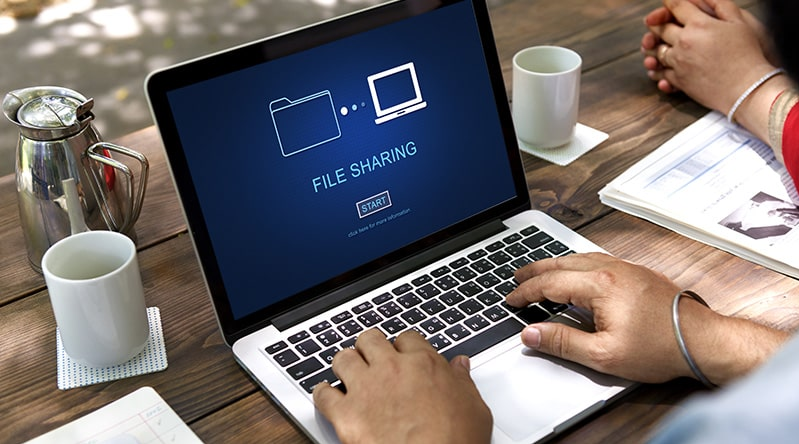
In a world where speed, efficiency, and connectivity define success, the concept of files over miles has become more relevant than ever. Instead of traveling long distances, shipping paperwork, or relying on face-to-face meetings, individuals and businesses now prioritize sharing files digitally—saving time, money, and effort.
The idea behind files over miles is simple but powerful: move information, not people. Whether you’re a remote worker, a global enterprise, a student, or a freelancer, digital file sharing allows collaboration across borders without sacrificing productivity.
This article explores the meaning, benefits, real-world applications, tools, and future of files over miles, offering an in-depth guide for anyone looking to understand why this approach is shaping the modern digital economy.
What Does Files Over Miles Mean?
At its core, It refers to the preference for transferring digital files instead of physically traveling or shipping materials. It emphasizes efficiency through technology—sharing documents, media, data, and information instantly, regardless of geographic distance.
Rather than driving hours for a meeting or sending printed contracts via courier, organizations now send secure files online. This shift aligns with modern expectations of speed, convenience, and global accessibility.
Closely related phrases include:
- Digital collaboration
- Remote file sharing
- Virtual communication
- Cloud-based workflows
- Paperless operations
All of these support the same philosophy: It is about smarter, faster movement of information.
The Origin and Evolution of Files Over Miles
While the phrase It has gained popularity recently, the concept itself has been evolving for decades. Early email systems, fax machines, and shared network drives were the first steps toward reducing physical travel for information exchange.
Key Milestones in the Files Over Miles Journey
- 1990s: Email replaces postal mail for documents
- 2000s: Cloud storage platforms emerge
- 2010s: Remote work and real-time collaboration tools expand
- 2020s: Global remote work normalizes digital-first operations
The COVID-19 pandemic accelerated adoption dramatically, proving that It is not just convenient—it’s essential.
Why Files Over Miles Matters in Today’s Digital Age
Modern life is increasingly global. Teams span continents, clients live in different time zones, and projects require rapid execution. In this environment, It enables seamless collaboration without logistical barriers.
From an environmental standpoint, fewer trips mean lower carbon emissions. From a business perspective, faster decision-making and reduced overhead costs create a competitive advantage.
Search intent behind files over miles is largely informational, as users want to understand the concept, its benefits, and how it applies to their work or lifestyle.
Key Benefits of Choosing Files Over Miles
Embracing It delivers measurable advantages across industries.
1. Time Efficiency
Sharing files digitally eliminates delays caused by travel, shipping, or scheduling conflicts. Information arrives instantly.
2. Cost Savings
Businesses save on fuel, accommodation, printing, and courier services by prioritizing It.
3. Global Collaboration
Teams can work together regardless of location, enabling access to global talent and markets.
4. Scalability
Digital workflows grow easily without added physical infrastructure.
5. Environmental Impact
Reducing travel supports sustainability goals and corporate responsibility initiatives.
These benefits explain why It is becoming a strategic priority rather than a convenience.
Files Over Miles in Business and Remote Work
The rise of remote and hybrid work models has made It a foundational business principle.
How Companies Use Files Over Miles
- Sharing contracts and legal documents digitally
- Collaborating on designs, code, and reports
- Conducting virtual onboarding and training
- Managing cloud-based project documentation
Companies like Google, Microsoft, and Salesforce have built ecosystems that thrive on It workflows.
For remote workers and freelancers, this approach eliminates geographic limitations, opening doors to international opportunities.
Technology Powering the Files Over Miles Movement
Several technologies make It reliable and scalable.
Cloud Storage Platforms
Services such as Google Drive, Dropbox, and OneDrive allow instant access and version control.
Collaboration Tools
Platforms like Slack, Notion, and Microsoft Teams integrate file sharing directly into communication.
High-Speed Internet
Improved connectivity ensures large files move quickly and reliably.
Automation and AI
Smart workflows route files automatically, reducing human error and manual effort.
For authoritative insight on cloud computing, refer to resources from organizations like IBM or Microsoft Learn.
IBM’s cloud computing resources (ibm.com)
Security and Trust in Files Over Miles Systems
One common concern around It is security. Fortunately, modern systems prioritize trust and protection.
Security Measures Include:
- End-to-end encryption
- Multi-factor authentication
- Access permissions and audit logs
- Compliance with GDPR and ISO standards
When implemented correctly, digital file sharing is often more secure than physical documents, which can be lost, stolen, or damaged.
This focus on security strengthens the E-E-A-T principles of trustworthiness and expertise.
The Future of Files Over Miles
The future of It is closely tied to emerging technologies.
What to Expect
- Increased use of AI-driven document management
- Blockchain-based file verification
- Fully paperless enterprises
- Virtual and augmented reality collaboration
As digital transformation continues, It will evolve from a best practice into a default operating model.
Frequently Asked Questions
1. What is meant by files over miles?
Files over miles means prioritizing digital file sharing instead of physical travel or document delivery.
2. Is files over miles only for businesses?
No. Individuals, students, educators, and creatives also benefit from files over miles workflows.
3. Is digital file sharing secure?
Yes, when using trusted platforms with encryption and proper access controls.
4. How does files over miles help the environment?
It reduces travel-related emissions and paper usage, supporting sustainability.
5. What tools support files over miles?
Cloud storage, collaboration software, and secure communication platforms all support files over miles.
Conclusion: Why Files Over Miles Is the Smarter Way Forward
The shift toward files over miles reflects a broader transformation in how we work, communicate, and collaborate. By moving information instead of people, we unlock speed, flexibility, and global reach without unnecessary costs or environmental impact.

